
Dental Bridges in Sugar Land, TX
Dental bridges are a dependable option for replacing missing teeth and restoring comfort, function, and confidence. At SmileTexas®, the Official Dentists of the Miss Texas USA® and Miss Texas Teen USA® pageants, we provide custom-crafted porcelain restorations to close gaps, support healthy chewing, and maintain natural speech and appearance.
It doesn’t matter if you’re missing one tooth or several. Dental bridges provide a practical option that blends seamlessly with your existing teeth while supporting long-term oral health.
What are dental bridges?
Dental bridges and porcelain bridges are restorative fixtures custom-made to help patients feel confident, enjoy functional chewing, and maintain optimal dental health. This restoration gets its name from its ability to physically bridge the gap between two teeth.
In most situations, a bridge has two or more crowns. The exception is the cantilever bridge that is used to replace a posterior molar at the very back of the mouth. The pontic, or artificial tooth, is an integral part of the bridge. This is what sits in the gap. The pontic “floats” over the gums and is fixed in place by the crowns on each side.
Schedule a Consultation Today!
Types of Dental Bridges
Dental bridges come in several forms, each supported differently:
- Traditional bridges: Rely on crowns placed on the teeth on both sides of the gap.
- Cantilever bridges: Use a crown on only one adjacent tooth.
- Implant-supported bridges: Anchored to dental implants placed in the jaw, offering added stability and helping preserve bone structure.
- Maryland bridges: Use a bonded framework attached to the back of nearby teeth, making them a more conservative option that preserves natural tooth structure.
Each type varies in longevity, maintenance needs, and suitability, allowing dentists to recommend the option that best fits a patient’s oral health, age, and long-term goals.
Dental Bridge Benefits
Dental bridges offer several advantages. Examples include:
- Comfort: Bridges are lightweight and custom-made to fit in the treatment area. The shape, size, and weight of the average bridge support optimal comfort when chewing and speaking.
- Easy maintenance: For the most part, patients with dental bridges maintain their normal brushing and flossing habits. The minor change is that you must use an interdental flosser under the artificial tooth of your bridge and take extra care around the margins of the crowns that anchor it.
- Preservation of speech: Dental bridges fill gaps that are essential for speaking without inhibition or impediment.
- Preservation of aesthetic value and confidence: When you laugh heartily, your mouth is visible, including empty spaces created by tooth loss. Filling gaps with a dental bridge reinstates the natural attractiveness of your smile.
- Convenient treatment: It takes only a few appointments to complete dental bridge treatment.
Ideal Candidates for a Dental Bridge
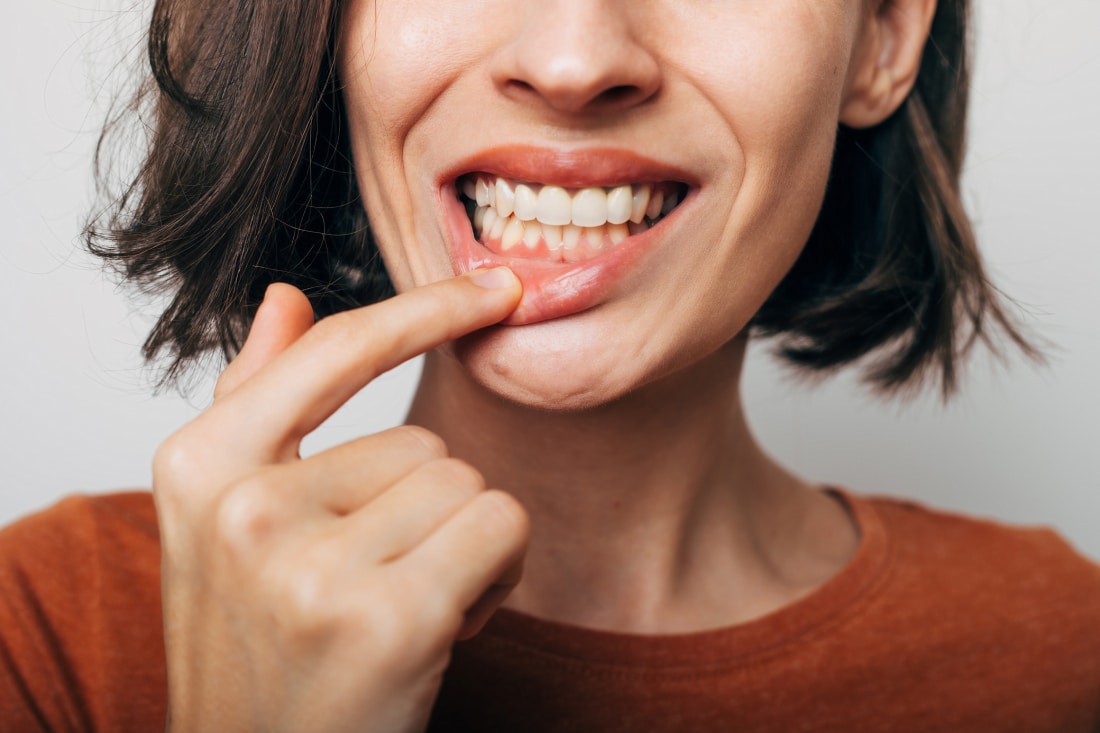
Many adults who have lost one or more teeth are good candidates for a dental bridge. To confirm this, we conduct a thorough consultation and comprehensive dental examination. We evaluate the teeth around the gap to ensure they are healthy and strong enough to stabilize the bridge. Patients must have good oral health and be free of gum disease to be the best possible candidates for dental bridge treatment. If necessary, we can perform restorative care before commencing with tooth replacement. In this way, we secure the best possible outcome.
The Process of Placing Porcelain Bridges
Once it is determined that you are a good candidate for the porcelain bridge procedure, your dentist will reshape the natural teeth next to the space where a tooth has been lost. It is necessary to reduce the anchor teeth so that dental crowns can be made to fit comfortably over them without affecting your bite. Because tooth reshaping is done with a vibrating dental drill, patients are pre-treated with a local anesthetic. This makes the process painless.
In instances of a single missing tooth, the bridge will consist of three pieces: two crowns and a pontic. When more than one tooth is missing, additional pontics are added in between the two dental crowns. In such instances, additional teeth may need to be crowned to enhance the overall stability of the structure.
Dental crowns and pontics are usually made in a laboratory. Therefore, the dentist must take impressions using dental putty. The impressions are used to create a 3D model of the area of the mouth being treated. This model guides the fabrication of dental restorations so they fit well over teeth and also fit naturally against opposing teeth when you chew.
After teeth are reduced and impressions are taken, temporary fixtures may be cemented over teeth to wear until the final restorations are ready. This prevents unnecessary risks and promotes optimal comfort between visits.
It takes approximately two weeks for the final bridges to be ready for placement. This second visit involves removing the temporary crowns or bridge and cleaning all temporary cement from the margins between the teeth and gums. The bridge is seated into place and then evaluated for size, color, and bite. Sometimes minor adjustments are made to ensure the bridge is comfortable and fully functional. Once the bridge fits perfectly, it is bonded to the anchor teeth. The dentist or hygienist will demonstrate how to clean around and beneath the pontic.
Recovery from Porcelain Bridge Placement
Bridge treatment involves placing crowns over one or more teeth. The teeth that are “capped” with crowns may be sensitive or sore for a short time after the procedure. The minor side effects are typically not enough to prevent normal activities, though it is necessary to avoid excessive stress on the teeth as they recover from treatment.
After getting a dental bridge, you may want to:
- Avoid crunchy, tough, or chewy foods until you can comfortably bite down as needed.
- Eat and drink warm or room-temperature foods and beverages for a few days. If your teeth do not feel sensitive, you may not need to do this.
- Brush your teeth twice every day and floss once a day. If you are unsure how to floss around your crowns and beneath your artificial tooth, contact our office for friendly assistance.
- Avoid chewing tobacco and cigarettes. These habits degrade oral health and can impede healing after any dental procedure. Dentists encourage patients to kick these habits for good.
- Avoid alcoholic beverages. Like smoking and tobacco use, alcoholic beverages can degrade oral health and slow the healing process.
Schedule a Consultation Today!

Maintaining Porcelain Bridges
A porcelain dental bridge is made from ultra-durable material. However, it is necessary to take very good care of this fixture so it can last as long as possible.
Patients must brush gently but thoroughly around their dental crowns. A special instrument must be used to clean beneath the pontic to prevent bacteria, debris, and plaque from accumulating in this hard-to-reach area.
Patients must also carefully floss around their dental crowns to prevent plaque and tartar buildup. Plaque contains oral bacteria that can cause gum inflammation and infection, leading to gum recession and weakening the integrity of the crowns that anchor the bridge.
Routine dental visits are also scheduled to help patients maintain their dental bridges. Exams and cleanings should be performed every six months to detect signs of gum disease or tooth decay early.
Dental Bridges vs. Dental Implants?
Dental bridges are fixtures that are stabilized in the mouth by anchoring to adjacent teeth. This requires the dentist to reduce two teeth that might otherwise be fully intact to support the bridge. Dental implant-retained bridges are secured to the jawbone, just like natural teeth. This is accomplished by inserting small titanium cylinders, allowing bone to grow around them, and then attaching artificial teeth via a system of abutments.
Why Choose SmileTexas for Dental Bridges in Sugar Land, TX?
SmileTexas is a trusted choice for dental bridges in Sugar Land, thanks to a team deeply rooted in advanced cosmetic and restorative dentistry. Dr. Bret Davis brings dual fellowship training and has completed thousands of smile makeover and full-mouth reconstruction cases using all-porcelain restorations. Dr. Mackenzi McAfee-Dooley combines lifelong passion with advanced education in implants and complex reconstruction, while Dr. Simon Haws adds an artistic eye and precision-focused approach to every case. As the Official Dentists of Miss Texas USA and Miss Texas Teen USA, SmileTexas is known for creating smiles that balance beauty, comfort, and long-term stability.
FAQs
How Long Do Porcelain Bridges Last?
Porcelain bridges can last from 5 to 15 years. The oral care that is practiced, the foods that are eaten, and the avoidance of certain habits contribute to the longevity of this restorative fixture.
Are Dental Bridges Safe?
Dentists have treated tooth loss with dental bridges for many years. The process has consistently achieved outstanding results in qualified cases. We perform a comprehensive examination of the mouth, including the teeth and roots that will anchor a proposed dental bridge, to minimize the risk of damage or poor success. The primary dangers of dental bridge treatment include damage to the anchor teeth and decay around the dental crowns. With good oral care, bridges are expected to last several years.
Why Use Porcelain for Dental Bridges?
We use porcelain bridges because this material mimics the reflective nature of natural enamel. Dental porcelain is specially made to retain brightness, color, and integrity against the effects of daily living and eating habits. Porcelain not only looks more like natural enamel than other dental materials, but it also resists discoloration.
Does Insurance Cover Dental Bridges?
Many insurance companies offer some benefits for tooth replacement with a dental bridge. The amount of coverage can differ from one plan to another. Patients are advised to contact their insurance company directly for exact figures based on their plan.
How Much Do Dental Bridges Cost?
The cost of tooth replacement treatment can vary based on several factors. For example, the number of teeth needing replacement and the performance of other restorative procedures at the time of care. Dental bridge costs may also vary based on selected materials and the use of dental benefits. Our team works with each patient to provide an accurate estimate of treatment that accounts for dental insurance, if applicable.
Can a Dental Bridge Be Used To Replace Front Teeth?
Yes, a dental bridge can replace one or more front teeth.
In these highly visible areas, appearance and balance are especially important. Porcelain bridges are often recommended because they closely resemble natural enamel in color and light reflection.
When bridges are used to restore the front teeth, careful planning is required to support proper bite alignment, speech, and symmetry. The surrounding teeth must be healthy enough to support the bridge, and the design is customized so the replacement tooth blends naturally with your smile while restoring everyday function.
Can Dental Bridges Help Prevent Surrounding Teeth From Shifting?
Dental bridges can play a pivotal role in maintaining the proper alignment of adjacent teeth after tooth loss.
When a gap is left untreated, neighboring teeth can gradually drift into the empty space, which may affect bite alignment and overall oral comfort. A dental bridge fills that space and provides stability, helping neighboring teeth remain aligned.
By maintaining spacing and balance, a bridge can also reduce uneven pressure during chewing and support long-term oral structure, making it a valuable option after losing a tooth.
What Happens if One of the Supporting Teeth Fails?
If a supporting tooth becomes damaged or compromised, the dental bridge may lose stability. Since traditional bridges rely on adjacent teeth for support, decay, fracture, or gum issues in an anchor tooth can affect the entire restoration.
In some cases, repairing or replacing the supporting tooth may restore function. In other situations, the bridge may need modification or replacement, or an implant-based solution may be considered. Regular exams and good oral hygiene are essential for protecting the supporting teeth and extending the lifespan of the bridge.
Can I Get a Dental Bridge if I Grind or Clench My Teeth?
Teeth grinding or clenching does not automatically rule out dental bridge treatment, but it does require careful evaluation. Excessive grinding pressure can add stress to both the bridge and the supporting teeth.
If you grind your teeth, your dentist may suggest protective measures such as a custom night guard to reduce wear and stress. In some cases, alternative tooth replacement options may be discussed. Addressing grinding habits helps protect the bridge and supports long-term comfort and durability.
Schedule A Consultation in Sugar Land TX
A porcelain bridge can restore vibrancy and comfort to your smile. For more information or to schedule a consultation with our providers at SmileTexas near Houston, please call (281) 265-7645.


